

For years, AWS admins managed Amazon S3 buckets using the command line. The CLI gave them raw power and precise control, but at a cost: constant context switching, fragile scripts, and high cognitive overhead. Today, admins are embracing browser-based S3 management tools that deliver the same control without the daily friction of typing out (and debugging) lines of syntax.
The CLI Productivity Trap
1. Complexity & Cognitive Load
Managing storage from the AWS CLI means memorizing command variations like aws s3 cp, sync, or rm, plus dozens of parameters and flags. Every region, IAM profile, or bucket difference demands perfect recall. Minor typos can lead to massive errors, and there’s no visual confirmation.
2. Script Maintenance Overhead
A quick Bash or Python script saves hours initially. Six months later, it becomes a maintenance trap. One API version change or AWS CLI update breaks your pipeline. Teams spend more time debugging legacy scripts than benefiting from automation.
3. Onboarding Bottlenecks
Every new team member must learn CLI syntax, IAM permissions, and your scripts’ quirks before they can contribute safely. Cloud management becomes less accessible when every change requires remembering exact text command sequences.
Browser-Based S3 Management
1. Low Friction, High Visibility
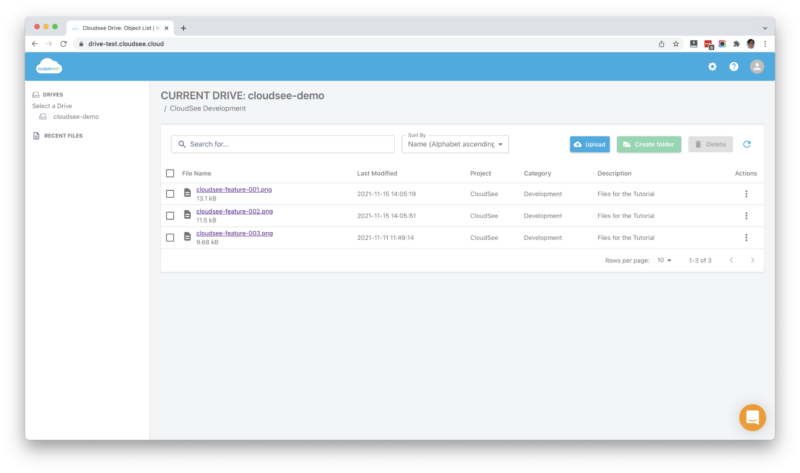
Browser-based S3 tools replace typing with intuitive actions: drag, drop, click. The interface presents buckets, folders, and permissions visually, reducing guesswork and mistakes. Real-time feedback like progress bars and metadata previews lets admins focus on outcomes, not syntax.
2. No More Scripting Headaches
Browser tools bridge automation and simplicity. Many offer built-in schedulers, audit logs, and API integration hooks. Admins retain automation power without maintaining brittle code.
3. Faster Onboarding & Broader Collaboration
New team members contribute immediately. The interface guides usage while enforcing best practices. Cloud management becomes accessible to data scientists, DevOps engineers, and security leads without complex command syntax.
4. End Users Benefit Too
Tools like CloudSee Drive empower regular users to find their own files instead of waiting for admin help.
The Bigger Picture
Browser-based management complements the CLI. Power users still rely on scripts for bulk automation or integration pipelines. But day-to-day S3 operations are shifting toward interfaces that reduce friction and amplify insight..
TL;DR
AWS admins are moving from CLI scripts to browser-based S3 management because it reduces cognitive load, eliminates script maintenance, speeds up onboarding, and preserves full administrative control—while making everyday operations faster and more reliable.

Leave A Comment